

Line of credit





A funding process that's finally on your side.
15+
4.5
$17B+
520K+
You’ve got options. Here’s how Lendio can help.
$1K to $750K
1-2 days
4 to 24 months
A business line of credit is a financing option that allows a business to access funds up to an approved limit. Businesses can draw funds as needed rather than receiving a lump sum upfront.
Some lines of credit are structured as revolving, meaning available credit replenishes as balances are repaid. Others may be non-revolving or structured with defined draw periods and repayment terms. Understanding how line of credit structures vary can help clarify which option may align with your business's needs.
Unlike a traditional term loan, which provides a fixed amount with a repayment schedule, a line of credit is generally designed to offer more flexibility in how and when funds are accessed.
A business line of credit is often used to:
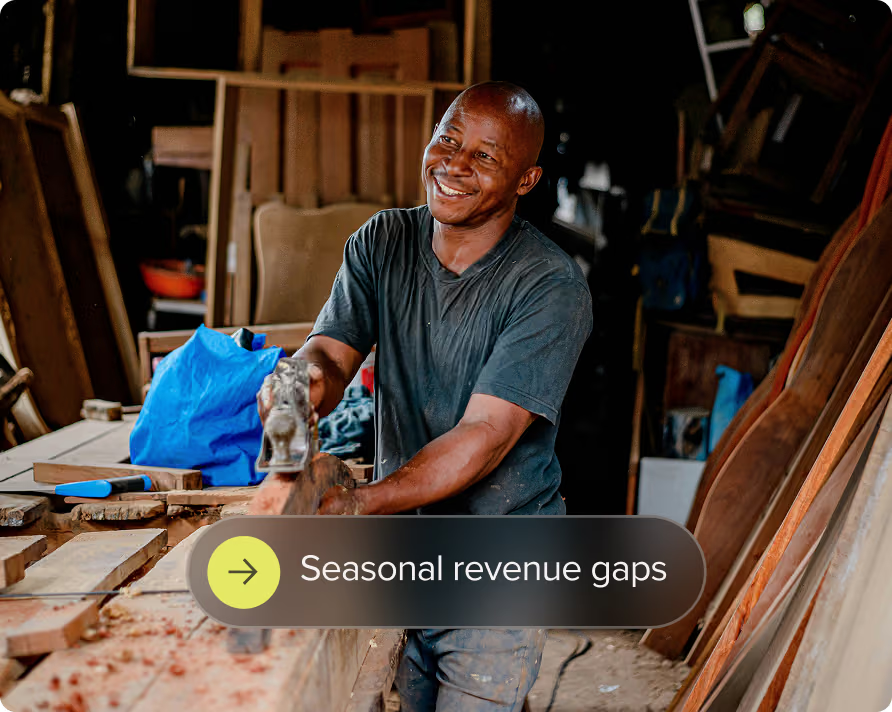
- Manage seasonal revenue gaps
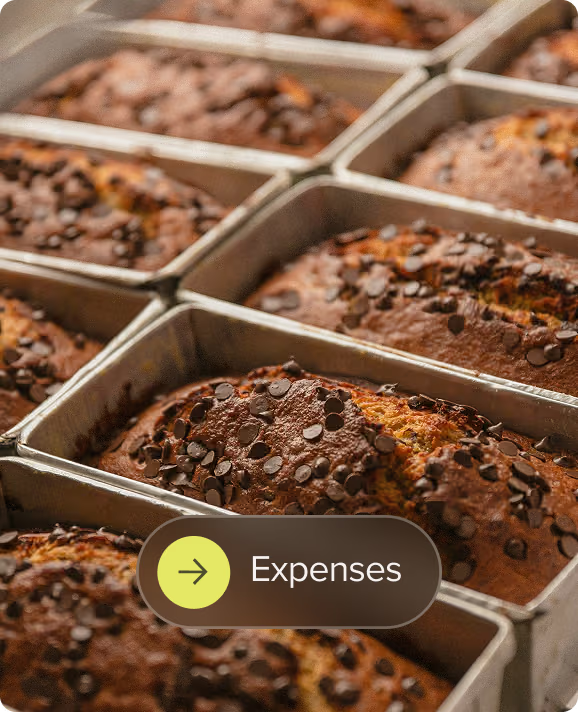
- Cover short-term operating expenses and payroll
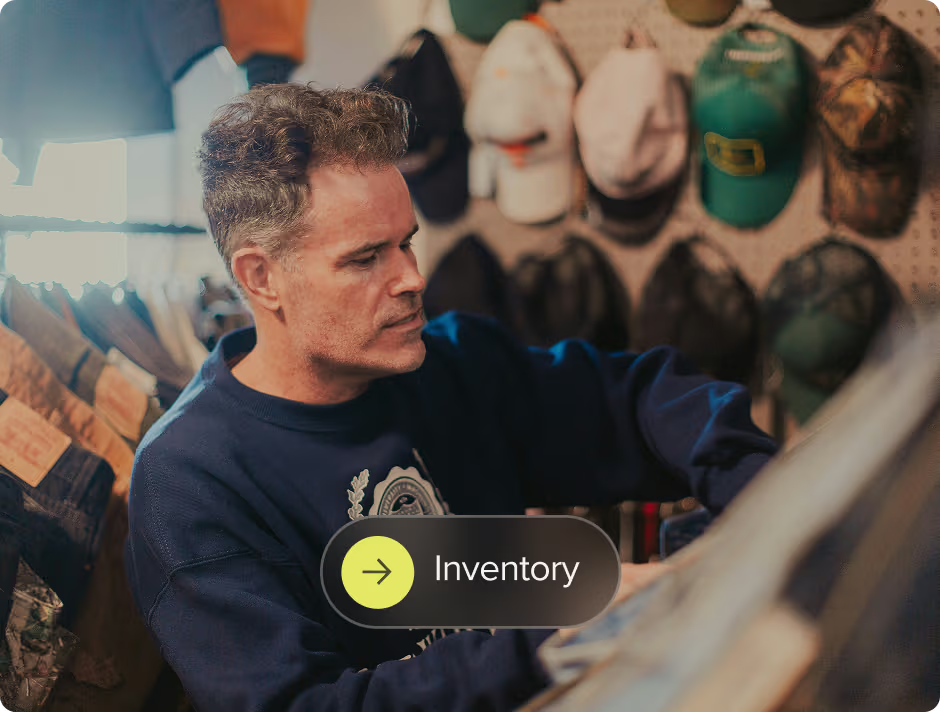
- Purchase and manage inventory
- Bridge Accounts Receivable timing
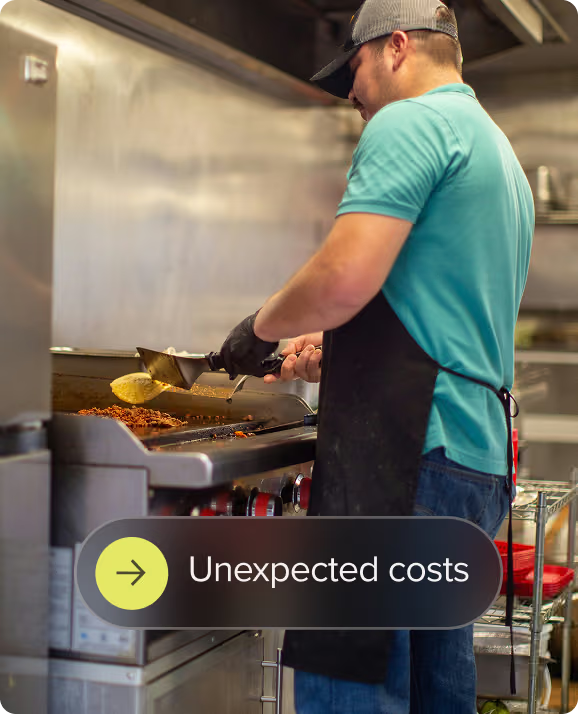
- Handle unexpected costs
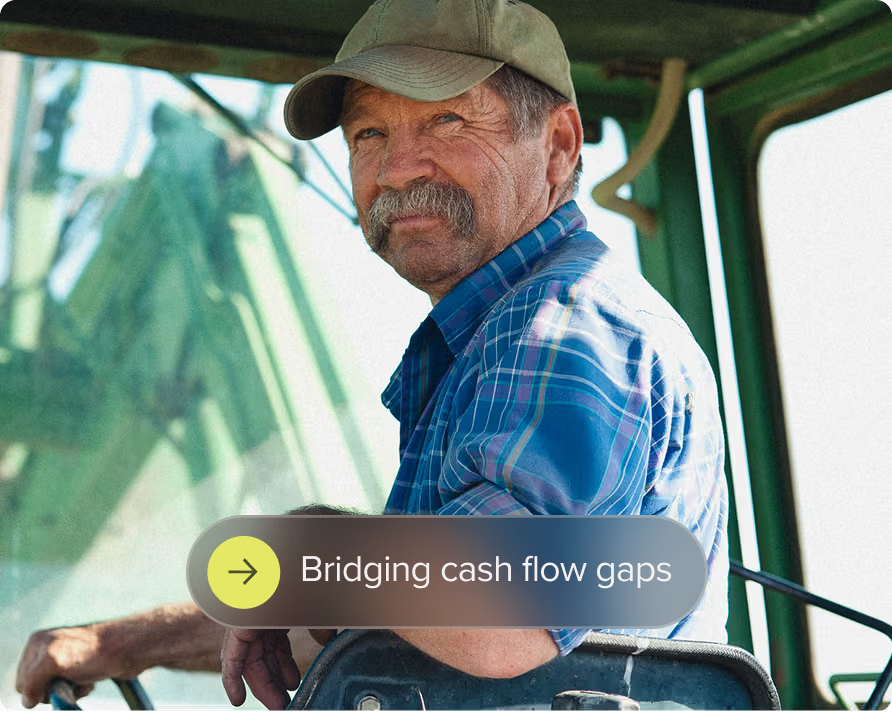
When you’re looking for flexible working capital to manage seasonal shifts or bridge a gap in cash flow, the first major fork in the road is deciding between a secured and an unsecured line of credit. The right choice depends entirely on your current collateral, your risk appetite, and how quickly you need the funds.
Secured business line of credit: This line of credit is backed by a specific asset, often referred to as collateral. This could be your accounts receivable, inventory, equipment, or even real estate. Because the lender has a safety net to recoup losses if you default, they often view this as a lower-risk move.
Unsecured business line of credit: This line of credit requires no specific collateral. Instead, lenders approve you based on your creditworthiness, business performance, and financial history. Because there is no asset to “seize” if things go south, the lender takes on more risk, which usually translates into stricter requirements for you.
As you review your business line of credit options, you may be presented with two options: a revolving line of credit or a non-revolving line of credit.
Revolving line of credit: This functions similarly to a high-limit business credit card. You are approved for a specific limit, and as you pay back what you’ve borrowed, that capital becomes available to use again. It’s a continuous cycle of borrowing and repaying.
Non-revolving line of credit: This is a “use it once” pool of capital. Once you draw down the funds and pay them back, the line is closed. If you need more capital later, you’ll likely need to go through the approval process again to open a new line.
Here’s how business lines of credit work.

After applying, a lender may approve your business for a maximum credit limit based on factors such as revenue, time in business, credit profile, and overall financial position. This approved limit represents your maximum amount available to draw.
Once approved, you can request funds up to your available credit limit. Rather than receiving a lump sum upfront, businesses draw only what they need. Funds may be deposited into your business bank account, depending on the lender's process.
Repayment terms vary by lender. Some lines of credit are revolving, meaning available credit replenishes as balances are repaid. Others may be non-revolving, with defined repayment periods for each draw and limited additional availability until renewal of the line. Payment frequency may be weekly or monthly, depending on the product.
For revolving products, businesses can continue drawing funds as long as the account remains in good standing and available credit exists. Non-revolving structures may require renewal or reapproval once the balance is repaid. Specific terms depend on the lender and product structure.
Here’s how to qualify for a business line of credit.
FAQs
To qualify for a business line of credit you will need to have a credit score of 600 or higher and have a proven track record of generating revenue. Newer businesses can look at line of credit options for startups.
You can obtain a business line of credit without needing collateral. This type of credit is called an unsecured line of credit, and it does not require you to put up any collateral. However, it can be more expensive due to higher interest rates. Lenders take on a greater risk when lending unsecured funds, which is why they charge higher rates of interest.
A small business loan is a lump sum of money that is given to the borrower upfront and repaid over time with interest. It is ideal for one-time investments or larger expenses. A line of credit, on the other hand, allows the borrower to access a predetermined amount of funds as needed and only pay interest on the amount used. It’s better suited for recurring or ongoing expenses. Learn more about business loans vs. lines of credit.
A line of credit and a credit card both offer access to funds as needed, but there are some key differences. A line of credit typically has higher limits, longer repayment terms, and may have lower interest rates compared to a credit card. It also requires an application process and may require collateral. On the other hand, a credit card is usually easier to obtain and can be used for smaller, everyday purchases.
*Qualification criteria, rates, and other funding terms will vary depending on the type and location of your business, and upon other factors. This is not a guarantee of funding, and it should not be relied upon as an accurate assessment of the availability or terms of the represented funding products.




Ready for funding?
See what you can qualify for on the Lendio Marketplace.